In today's global entertainment landscape, my manga remains a compelling and culturally significant phenomenon, captivating audiences across generations and borders. Its ability to blend storytelling, art, and cultural nuance has made it an enduring medium that continues to evolve, innovate, and influence. This article offers an in-depth exploration of my manga, unraveling its history, defining features, cultural impact, and future prospects, providing readers with a comprehensive understanding of why my manga holds a special place in the hearts of millions worldwide.
The Enduring Appeal of My Manga - A Deep Dive
The appeal of my manga is rooted in its unique ability to connect with diverse audiences through layered storytelling and visually captivating art styles. Whether it's exploring complex characters, intricate plots, or relatable themes like friendship, adventure, and moral dilemmas, my manga fosters emotional engagement unmatched by many other mediums. Its adaptability allows it to resonate with both young and mature audiences, often offering nuanced commentary on societal issues disguised within fantastical worlds or everyday scenarios.
What makes my manga truly stand out is its power to create immersive worlds that draw readers into a universe where imagination is boundless. This immersive experience creates a community of fans who discuss theories, share artwork, and celebrate the genre's creative spirit. Over decades, my manga has proven its resilience, continually reinventing itself to stay relevant in a rapidly changing cultural landscape, showcasing its timeless versatility and deep cultural roots.
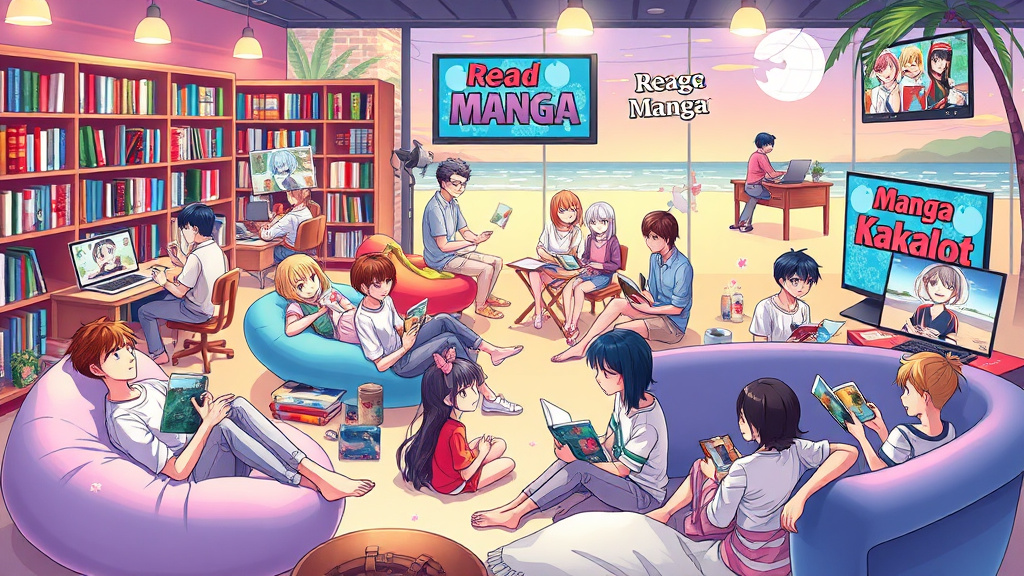 Hình minh họa: watch manga online – my manga
From Humble Beginnings to Global Phenomenon - Tracing the History of My Manga
My manga originated in early 20th-century Japan, evolving from traditional ukiyo-e prints and storytelling forms into a modern visual narrative form. Initially characterized by limited circulation and niche appeal, manga steadily grew in popularity post-World War II, fueled by technological advances such as printing presses and the emergence of dedicated manga publishers. Iconic artists like Osamu Tezuka revolutionized the field, introducing cinematic panel layouts and complex character development, which set new standards for storytelling.
The global expansion of my manga truly skyrocketed in the late 20th century, with the rise of anime adaptations, international licensing, and digital distribution. This period saw manga break language barriers, reaching audiences across Europe, North America, and beyond. Cultural shifts, such as increased interest in Japanese pop culture, further propelled my manga onto the world stage. Today, its history is marked not just by artistic milestones but also by its role as a cultural ambassador, bridging diverse societies through storytelling and innovative art.
Defining 'My Manga' - Exploring the Core Elements and Distinctive Features
At its core, my manga is distinguished by a combination of visual artistry, narrative depth, and cultural nuance. Visually, manga employs a distinctive black-and-white art style, emphasizing expressive line work, dynamic panel layouts, and meticulous character designs that resonate deeply with readers. Narratively, my manga covers a broad spectrum—from action-packed battles to introspective character studies—often blending genres to craft multilayered stories.
A defining feature of my manga is its ability to encapsulate Japanese cultural elements — such as concepts of honor, spirituality, and societal structure — while simultaneously appealing to universal themes of love, struggle, and growth. The medium’s serialized format fosters a connection between creators and audiences, allowing the development of long-term story arcs and character evolution. This blend of artistry and storytelling uniqueness creates an engaging experience where visual and narrative elements complement each other seamlessly, setting my manga apart from other graphic narratives.
The Cultural Impact of My Manga - Influence on Art, Fashion, and Beyond
My manga has profoundly influenced numerous aspects of global culture, extending far beyond its pages. Its distinctive aesthetics have inspired countless artists and illustrators worldwide, leading to stylistic revivals and innovative hybrid art forms that incorporate manga-inspired techniques. Fashion trends have also drawn heavily from manga characters and fashion motifs, with cosplay becoming an international phenomenon that celebrates manga’s rich visual language and character designs.
Moreover, my manga has played a pivotal role in shaping perceptions of anime and Japanese pop culture globally, fostering cross-cultural exchanges and mutual appreciation. Its themes often reflect societal issues—such as prejudice, adulthood, and environmental concerns—prompting cultural dialogue and inspiring social movements. The influence of my manga continues to be felt in advertising, film, music, and even political discourse, illustrating its capacity to serve as both entertainment and a cultural mirror that shapes and reflects societal values.
My Manga for Every Taste - A Genre Guide for New Readers
The diverse landscape of my manga offers something for everyone, regardless of taste or age. For action and adventure enthusiasts, shonen manga like Naruto and One Piece provide high-energy battles, friendship themes, and epic quests. If you prefer introspective, character-driven stories, seinen manga such as Vagabond or 20th Century Boys delve into philosophical questions and mature themes, appealing to adult readers seeking depth and nuance.
For readers interested in romance or slice of life stories, shojo manga like Fruits Basket or Clair de Lune focus on emotional relationships, personal growth, and everyday struggles. Fans of horror, mystery, or psychological thrillers will find compelling narratives in manga like Uzumaki or Monster. This richness in genres and themes makes my manga accessible and appealing to a broad spectrum of readers, ensuring that everyone can find stories that resonate deeply with their personal tastes and life experiences.
The Creative Process Behind My Manga - Insights from Artists and Writers
Creating my manga is a complex, deeply personal process that involves a delicate balance of storytelling, artistry, and audience engagement. Artists often spend countless hours sketching characters, developing visual concepts, and refining panel layouts that convey mood and pace effectively. Writers, meanwhile, craft scripts that weave narrative arcs with emotional depth, often collaborating closely with artists to ensure visual storytelling aligns with the narrative tone.
Many manga creators highlight the importance of discipline, experimentation, and emotional honesty in their work. The iterative process of refining characters, storylines, and artwork requires patience and dedication, often involving feedback from editors and fans. Additionally, the influence of cultural heritage and personal experiences profoundly shapes each creator’s unique style and thematic focus, resulting in a diverse range of my manga that reflects individual visions, societal commentary, and artistic innovation.
My Manga and Anime - Exploring the Synergistic Relationship
The relationship between my manga and anime is symbiotic, with each medium amplifying the other’s reach and appeal. Many manga series serve as the source material for popular anime adaptations, which often boost the original manga’s visibility and sales. Conversely, anime can introduce audiences to manga they might not have encountered otherwise, serving as a gateway into the broader world of my manga.
This cross-medium synergy has led to vibrant fan communities, cosplay, and a shared cultural experience that transcends language barriers. Notable adaptations, such as Attack on Titan or Demon Slayer, exemplify how anime brings manga stories to life through motion, sound, and performance, adding new layers of emotional resonance. Overall, the dynamic interplay between my manga and anime continues to fuel creative innovation, fan engagement, and the global proliferation of Japanese pop culture.
The Future of My Manga - Trends and Innovations to Watch
Looking ahead, my manga is poised for exciting developments driven by technological advances and shifting audience preferences. Digital publishing and webtoon platforms have democratized manga creation, allowing more independent artists and diverse narratives to flourish. Virtual reality and augmented reality integrations offer immersive storytelling experiences that could redefine how fans interact with manga worlds.
Furthermore, there is growing emphasis on inclusivity, representation, and intercultural storytelling within the my manga industry. Creators are exploring new genres, blending Western and Eastern storytelling traditions, and experimenting with multimedia formats. The rise of artificial intelligence in art and storytelling hints at potential collaborations that may revolutionize manga production, expanding the creative possibilities and audience engagement for years to come.
Collecting My Manga - A Collector's Guide to Rarities and Valuable Editions
Collecting my manga can be both a passion and an investment. First editions, signed copies, and limited editions hold particular value among collectors, often appreciating over time due to rarity and cultural significance. Manga volumes that marked genre-defining moments or debuted influential creators tend to be highly sought after, especially if kept in pristine condition.
To build a valuable collection, focus on understanding the various printings, editions, and publisher markings that influence value. Attending conventions, auctions, and specialty stores can uncover rare finds, while online marketplaces expand access to international editions. Preservation is key—storing manga in dry, cool environments and handling with care ensures they retain value and remain enjoyable for future generations of fans and collectors alike.
Where to Find My Manga - A Comprehensive Resource Guide
Finding my manga across various formats and venues requires research and patience. Major bookstores, both physical and online, stock a wide range of titles, including new releases and classics. Digital platforms like ComiXology, Kindle, and specialized manga apps offer instant access to a vast library of my manga, catering to readers worldwide.
For collectors, specialty shops, conventions, and online marketplaces such as eBay and Mandarake provide options for rare and vintage editions. Public and university libraries are also valuable resources for exploring manga history and accessing diverse titles for free or at low cost. Joining online forums, fan communities, and social media groups can offer tips, recommendations, and alerts on rare finds, helping my manga enthusiasts stay connected to the vibrant world of manga discovery.
Conclusion
My manga is more than just a form of entertainment; it is a cultural emblem that continues to evolve, inspire, and influence across generations. From its humble artistic origins to its position as a global phenomenon, manga’s rich history and diverse genres ensure its relevance in contemporary society. Its profound impact on art, fashion, and entertainment underscores its role as a vital cultural bridge, fostering understanding and appreciation worldwide. Whether you're a seasoned collector, a casual reader, or an aspiring creator, embracing my manga opens a window into a vibrant universe of stories, artistic innovation, and shared human experiences that will continue to thrive well into the future.